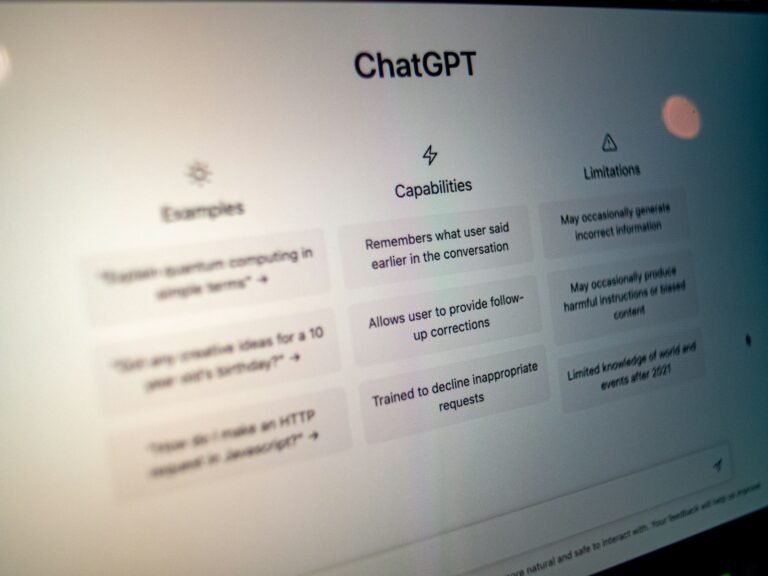
ChatGPT Study mode prompts are changing the way students and teachers interact with AI-driven education. Introduced as one of the new features in ChatGPT, these prompts provide guide user on a journey to think more critically and dive deeper rather than just Q&A. This guide covers 50+ study mode prompts made to help you utilize the Chatgpt study mode in an effective way and gain more out of each studying session.
Table of Contents
What is ChatGPT Study Mode?
ChatGPT Study Mode is an interactive learning tool which make students think and learn instead of just letting them know what the right answers are. It is built to not serve answers on platter but instead guide them through the problem solving process and have better understanding.
Key Benefits of Study Mode:
- Encourages critical thinking and problem-solving
- Prevents shortcuts in Studies and promotes real Learning
- Provides personalized learning experiences
- Available free for all logged-in users
Essential Study Mode Prompt Categories
1. Subject-Specific Study Prompts
Mathematics:
I'm working on [math concept]. Guide me through the problem-solving steps by asking me what I think the next step should be and why.Science:
Help me understand [scientific concept] by having me explain what I observe, form hypotheses, and test my understanding through guided questions.Literature:
"Guide me through analyzing [literary work] by asking me to identify themes, character development, and literary devices step by step."History:
"Help me understand the causes and effects of [historical event] by guiding me to make connections between different factors and perspectives."2. Research and Writing Enhancement Prompts
Research Development:
"I'm researching [topic]. Instead of providing information directly, guide me to identify credible sources, formulate research questions, and organize my findings."Essay Planning:
"Help me develop my thesis for [essay topic] by asking questions that lead me to refine my argument and supporting evidence."Critical Source Analysis:
"Guide me through evaluating the credibility and bias of sources for my research on [topic]."3. Exam Preparation Prompts
Knowledge Testing:
"Create 10 questions to test my knowledge of [subject]. Ask them one at a time, and after each answer, guide me to deeper understanding rather than just confirming if I'm right or wrong."Concept Review:
"Help me review [course material] by asking me to explain concepts in my own words and guide me when my understanding needs clarification."Practice Problem Guidance:
"Present me with practice problems for [subject] and guide me through the solution process by asking what I think each step should be."4. Study Strategy Development Prompts
Learning Style Optimization:
"Help me identify the most effective study methods for [subject] by asking about my learning preferences and guiding me to create a personalized study plan."Time Management:
"Guide me through creating a study schedule for [upcoming exam/project] by asking about my priorities, available time, and learning goals."Memory Techniques:
"Help me develop memory techniques for [specific content] by guiding me to create associations and mnemonics rather than providing them directly."5. Critical Thinking Development Prompts
Socratic Method Prompts:
"Guide me through understanding [topic] using the Socratic method. Ask me probing questions that help me discover the answer myself."Problem-Solving Framework:
"I need to solve [specific problem]. Instead of giving me the answer, help me identify what I already know, what I need to find out, and guide me through the thinking process."Analysis and Evaluation:
"Help me analyze [concept/text/data] by asking me questions that lead me to evaluate different perspectives and draw my own conclusions."Advanced Study Mode Techniques
6. Metacognitive Learning Prompts
Self-Assessment:
"After each explanation I give, ask me to reflect on my confidence level and what aspects I'm still uncertain about."Learning Process Reflection:
"Guide me to identify which learning strategies are working best for me with [subject] and why."7. Collaborative Study Prompts
Group Discussion Simulation:
"Simulate a study group discussion on [topic] by presenting different viewpoints and asking me to respond and defend my position."Peer Teaching Practice:
"Help me prepare to teach [concept] to a classmate by asking me to explain it in multiple ways and anticipating questions."8. Industry-Specific Study Mode Applications
STEM Fields
Engineering Problem-Solving:
"Guide me through the engineering design process for [problem] by asking me to identify constraints, brainstorm solutions, and evaluate trade-offs."Scientific Method Application:
"Help me design an experiment to test [hypothesis] by guiding me through each step of the scientific method."9. Business and Economics
Case Study Analysis:
"Guide me through analyzing this business case by asking me to identify key issues, stakeholders, and potential solutions step by step."Market Analysis:
"Help me understand market dynamics for [industry] by asking me to identify factors and guide me to make connections."10. Liberal Arts
Philosophical Reasoning:
"Guide me through examining [philosophical question] by asking me to consider different ethical frameworks and their implications."Creative Writing Development:
Include metacognitive elements that help you monitor your own learning process.
Prompt Variations for Different Learning Styles
Visual Learners
"Help me create mental images and diagrams to understand [concept] by asking me to visualize and describe what I see."Auditory Learners
"Guide me to explain [topic] out loud and ask me follow-up questions to deepen my verbal understanding."Kinesthetic Learners
"Help me understand [concept] through hands-on examples and real-world applications by guiding me to make practical connections."Reading/Writing Learners
"Guide me to take comprehensive notes on [topic] by asking me to summarize, organize, and connect ideas in writing."Measuring Study Mode Success
Tracking Learning Progress
Self-Assessment Prompts:
"After each study session, ask me to rate my understanding from 1-10 and identify specific areas where I need more practice."Knowledge Gap Identification:
"Help me identify what I still don't understand about [topic] by asking targeted questions that reveal gaps in my knowledge."Future of AI-Powered Learning
ChatGPT Study mode mark a new chapter in educational AI, where tools like ChatGPT don’t just give answers, but actually help in the learning process. It’s a steps toward a bigger change towards teaching methods that focus on critical thinking and getting students actively involved. This approach really aligns with some of the most effective educational practices out there, including:
- Active learning methodologies
- Socratic teaching methods
- Metacognitive skill development
- Personalized learning experiences
Frequently Asked Questions
How is Study Mode different from regular ChatGPT?
Study Mode guides you through problem-solving processes rather than providing direct answers, promoting deeper learning and critical thinking.
Can Study Mode help with all subjects?
Study Mode is designed to work across disciplines, from STEM subjects to liberal arts, by adapting its guided questioning approach to different fields.
Can Study Mode help with exam preparation?
Absolutely. Study Mode excels at creating practice questions, guiding review sessions, and helping develop deep understanding essential for exam success.
How can educators use Study Mode?
Teachers can use Study Mode to create discussion prompts, develop assessment questions, and design guided learning experiences for students.
By using these well-rounded Study Mode prompts and strategies, both students and educators can truly make the most of AI-powered learning. This approach helps maintain academic integrity and encourages real understanding. The main idea is to treat ChatGPT as a helpful learning companion, not just a source for quick answers. In doing so, the educational experience shifts from simply absorbing information to actively exploring and discovering new concepts.